Last Updated on February 18, 2026
Japanese Gifts
A friend kindly brings me Japanese souvenirs from different regions every time they travel. These include cooking ingredients, sweet treats, and small decorative items, each offering a glimpse of local specialties. In this post, I’ll introduce some of these wonderful gifts and share the unique regional charms of Japan that they represent, especially for those who want to learn more about Japan’s various prefectures.
From Niigata
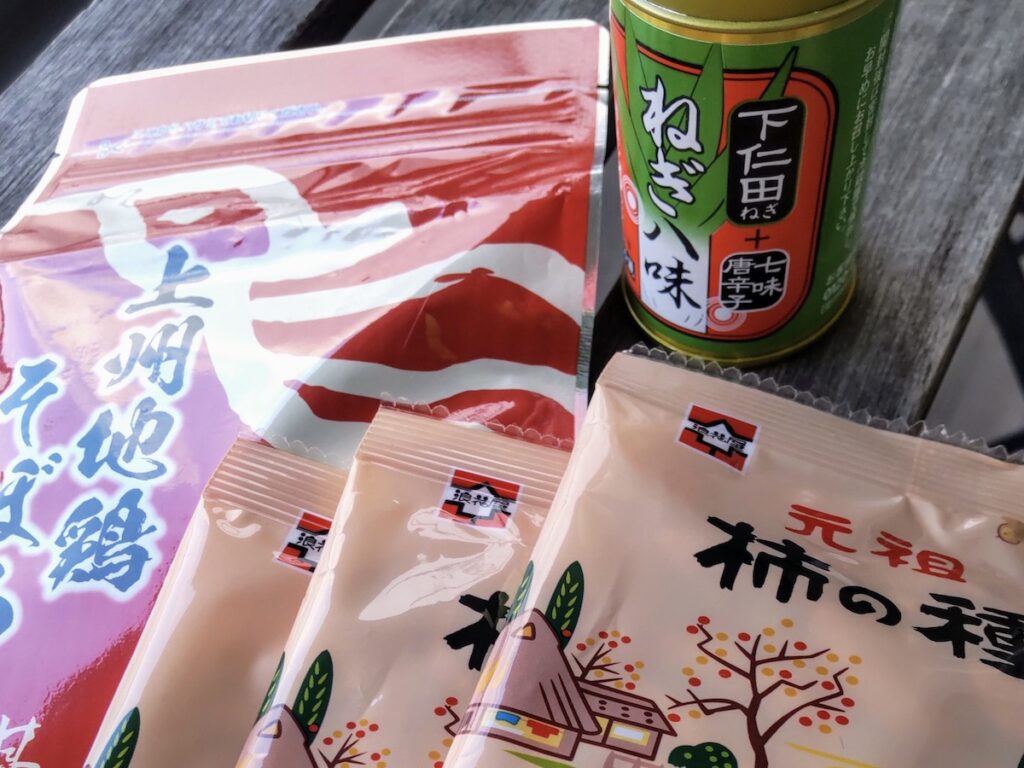
Niigata lies along the Sea of Japan and is famous for its rice, which local makers use to create a wide variety of rice crackers. One popular type, Kaki no Tane, consists of small, persimmon-seed-shaped crackers flavored with soy sauce and chili. Some versions include peanuts. This packaging design features a traditional Japanese house, and it’s very cute.
The “Kaki-no-Tane” had a perfectly light and crunchy texture. Each bite delivered a savory soy sauce flavor with a subtle kick of spicy chili that kept me reaching for more. Each piece is about 2 cm (around 0.8 inches) long, which is the perfect bite size. They were so easy to eat that I kept reaching for more, and before I knew it, the whole bag was gone.
Niigata is famous for its rice, and it produces a variety of rice crackers enjoyed across Japan. I’ll introduce them to you if I get the chance.
From Gunma
Gunma, an inland prefecture with abundant nature, is easily accessible from Tokyo. A local twist on the classic spice mix Shichimi (“seven flavors”) is Hachimi, which includes Shimonita long onions from Gunma, giving it eight distinctive flavors while keeping the traditional blend of spices.
At home, I sprinkled it over yakitori and udon noodles. It added a delightful twist to our usual meals, and we truly enjoyed the unique, layered flavor it brought.
Another specialty is chicken Soboro, a rice topping made by simmering minced chicken with soy sauce and sugar until it becomes finely crumbled and sweet-savory. This version gets a subtle kick from ginger and Sansho, a Japanese pepper that adds a citrusy, slightly spicy note. The topping stays soft, making it perfect for sprinkling over rice.
I make lunch boxes for my children every day. I sprinkled it over the rice and topped it with bite-sized pieces of nori seaweed. It gave the usual lunch a slightly luxurious flavor and was a great help for me as the cook.
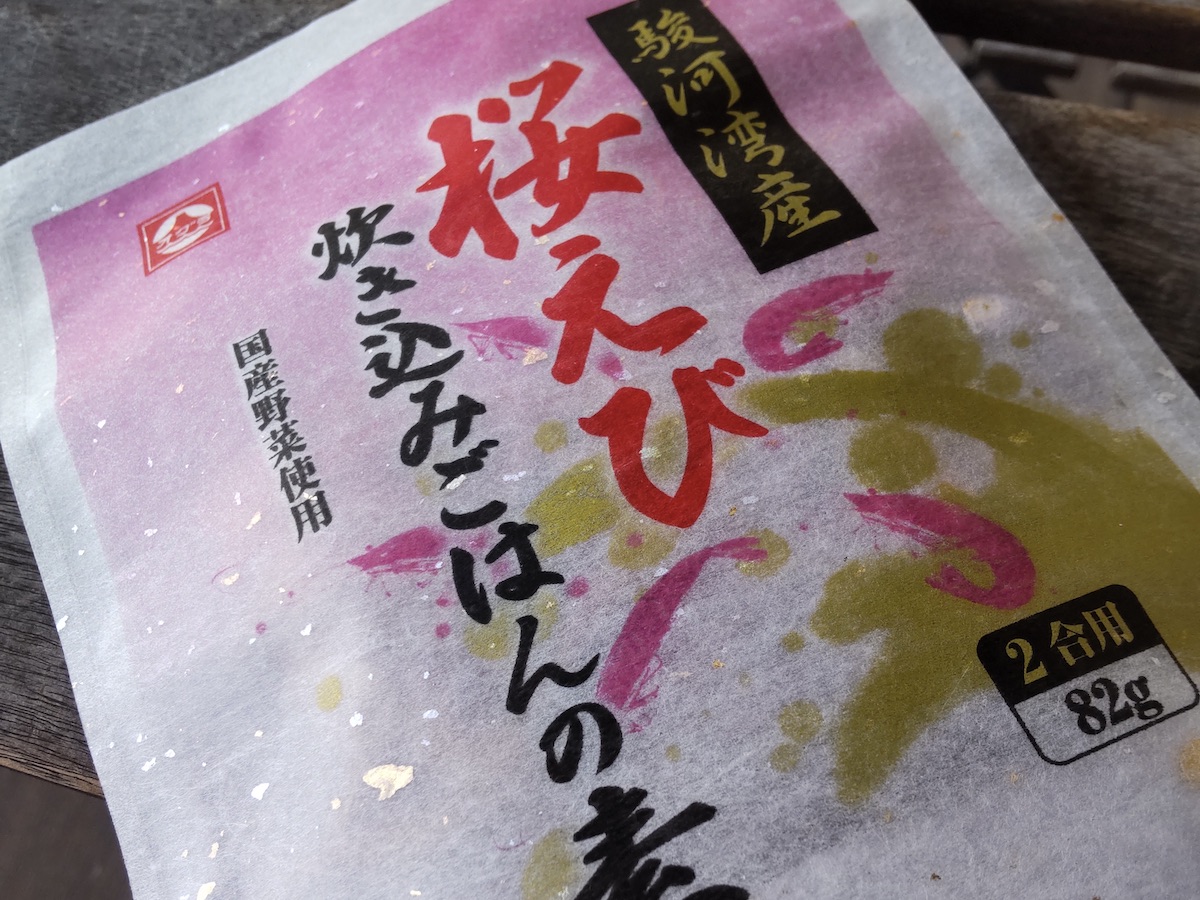
From Shizuoka
Shizuoka, located southwest of Tokyo, is famous for Mount Fuji and the Izu Peninsula. A local specialty is Sakura-ebi, tiny red shrimp caught in Suruga Bay, the only officially permitted fishing area in Japan. This Sakura-ebi rice seasoning mix contains real dried shrimp and can be added directly to the rice cooker to make Takikomi-gohan, a seasoned mixed rice dish.
The mix imparted a rich seafood flavor, and I was able to enjoy a unique taste that was a delightful change from plain rice. Since it contained whole Sakura shrimp, I could truly savor a rich, deep flavor with every single bite.
Check out our related articles on Shizuoka here.
 From Yamanashi
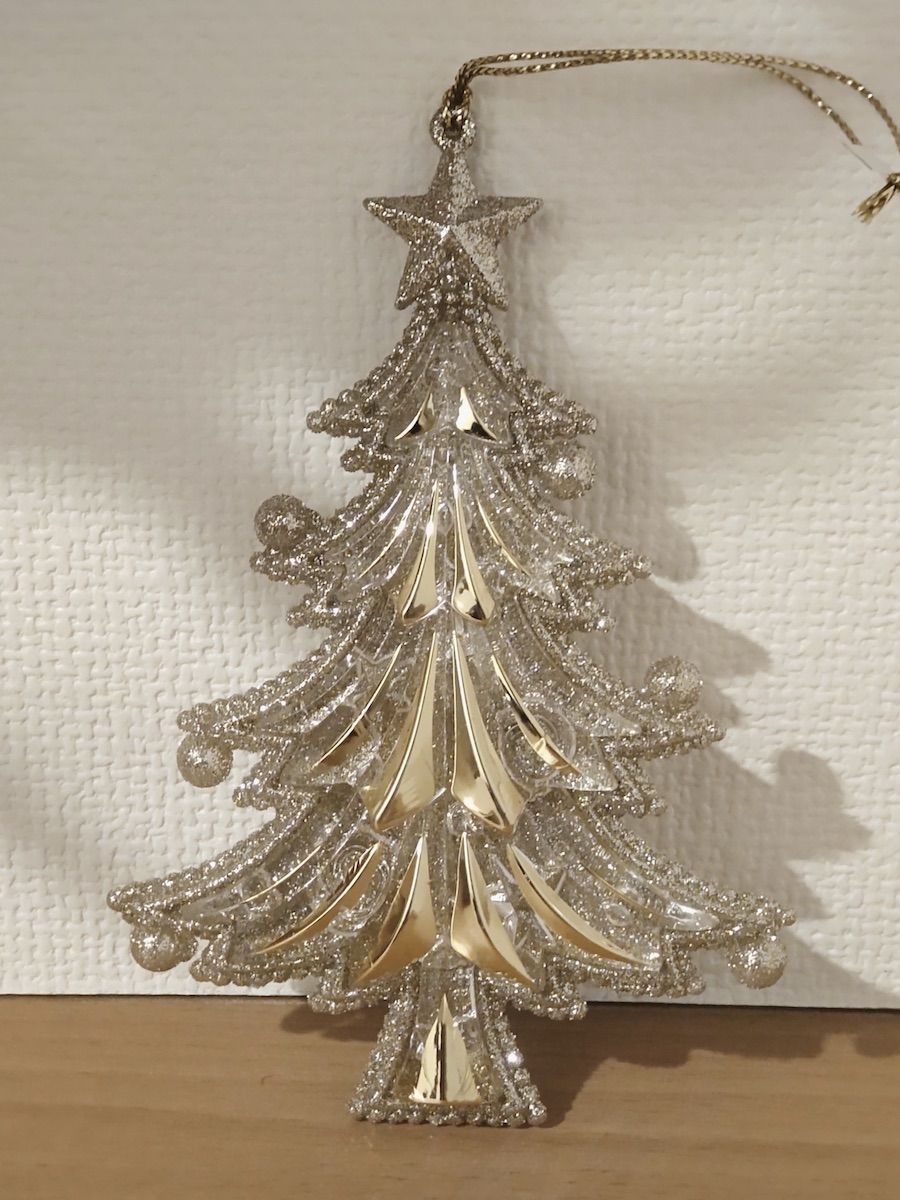 From Yamanashi
This is a gift from a friend, which she brought back for me from her trip to Lake Kawaguchi.
Yamanashi is located west of Tokyo and is famous for Mount Fuji, its surrounding lakes, and its fruit cultivation. The area around Lake Kawaguchi in Yamanashi is popular with tourists for its views of Mt. Fuji, and it’s also a well-known location for vacation homes. Since the area has many Western-style vacation homes, shops that match that atmosphere are likely popular. According to her, there was a store that sold Christmas decorations all year round.
She said this is a product from overseas, and its elegant champagne gold color with sparkling details is absolutely beautiful. She even bought one for herself, so I guess we’ll each be spending time admiring them in our own homes during the coming season!
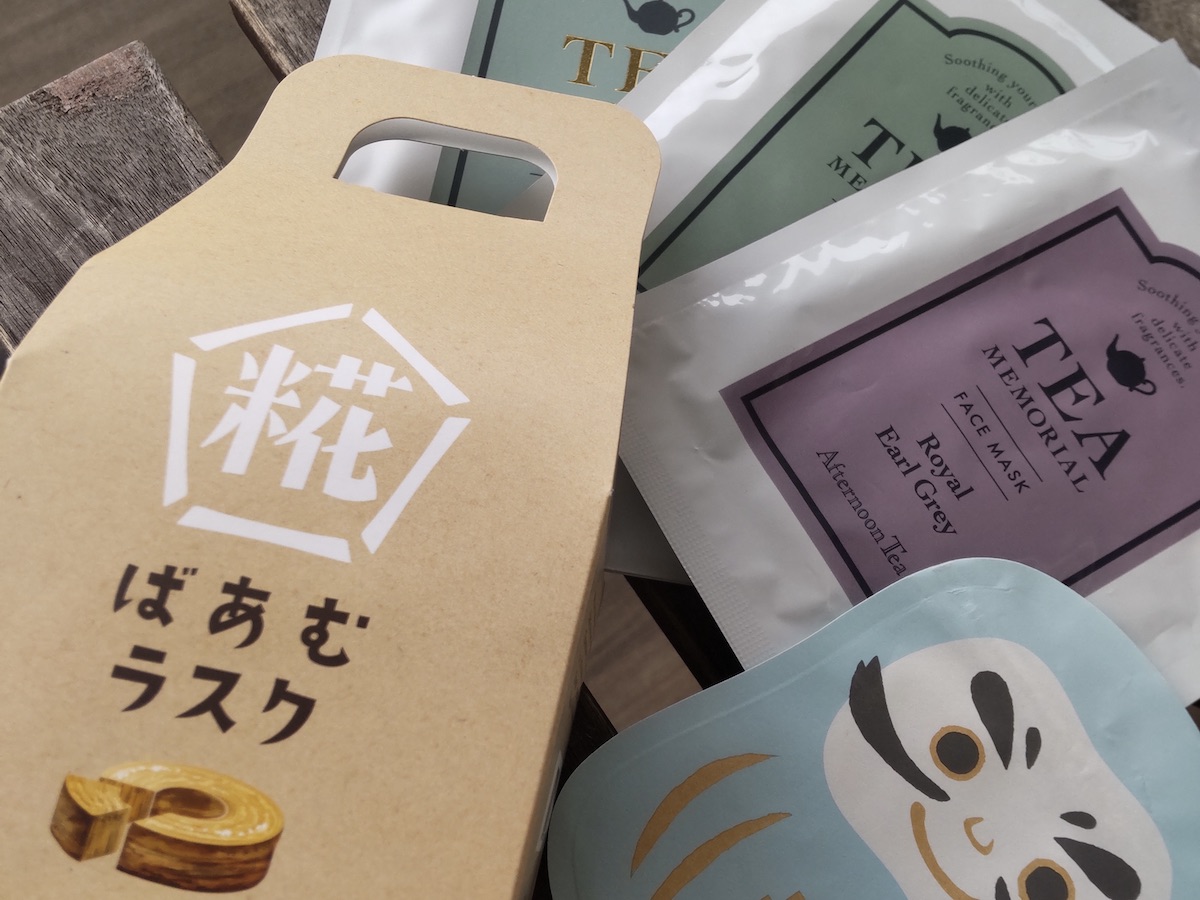
Once again, I received something really cute! There’s a shop in Japan called Afternoon Tea, known for its café-style restaurants and adorable goods. This time, I received some tea-scented goodies, and I especially loved the face mask. It had a sweet tea fragrance that was so relaxing.
From Chiba
Chiba, southeast of Tokyo, is known for Narita Airport, Tokyo Disney Resort, and its tradition of fermented foods like sake, miso, and soy sauce. One specialty I received is Baumkuchen rusks made with Koji, a fermentation starter made from rice, barley, or soybeans. Koji gives the sweets a natural umami flavor and gentle sweetness, making the rusks delicious while highlighting Chiba’s fermented food culture.
I wasn’t sure what to expect from Baumbkuchen rusks, but the crunchy texture and sweet aftertaste made them a perfect match for both tea and coffee. It was a truly luxurious moment of relaxation, pampering myself with a soothing face mask and some sweet treats.
Check out our related articles on Chiba here.
Tips for Travelers
The thought of someone choosing them especially for you is truly priceless. That said, you don’t necessarily have to travel to each prefecture to find these wonderful gifts. As I mentioned in a previous article, many Japanese prefectures have “Antenna Shops” in Tokyo (especially around Tokyo Station, Ginza, and Nihonbashi), where they sell their local specialties and crafts. It’s a great way to experience a “mini-trip” across Japan within the city. Please refer to the following information section for more details about the antenna shop!
Information
Information, prices and exchange rates are current as of my visit but may change. Please check official sites.
Niigata Antenna Shops
THE NIIGATA
– About 1640 ft (500 m) from Yurakucho Station
Yukiguni shoten
– About 120 ft (36 m) from Yurakucho Station
Shizuoka Antenna Shop
Surugayakahei
– About 310 ft (96 m) from Yurakucho Station
Yamanashi Antenna Shop
Cave de Wine Prefecture Yamanashi
– About 1150 ft (350 m) from Tokyo Station
Chiba Antenna Shop
Chiba Prefecture PR Shop
– About 980 ft (300 m) from Akihabara Station
The Gunma Prefecture PR shop in Tokyo is currently closed.